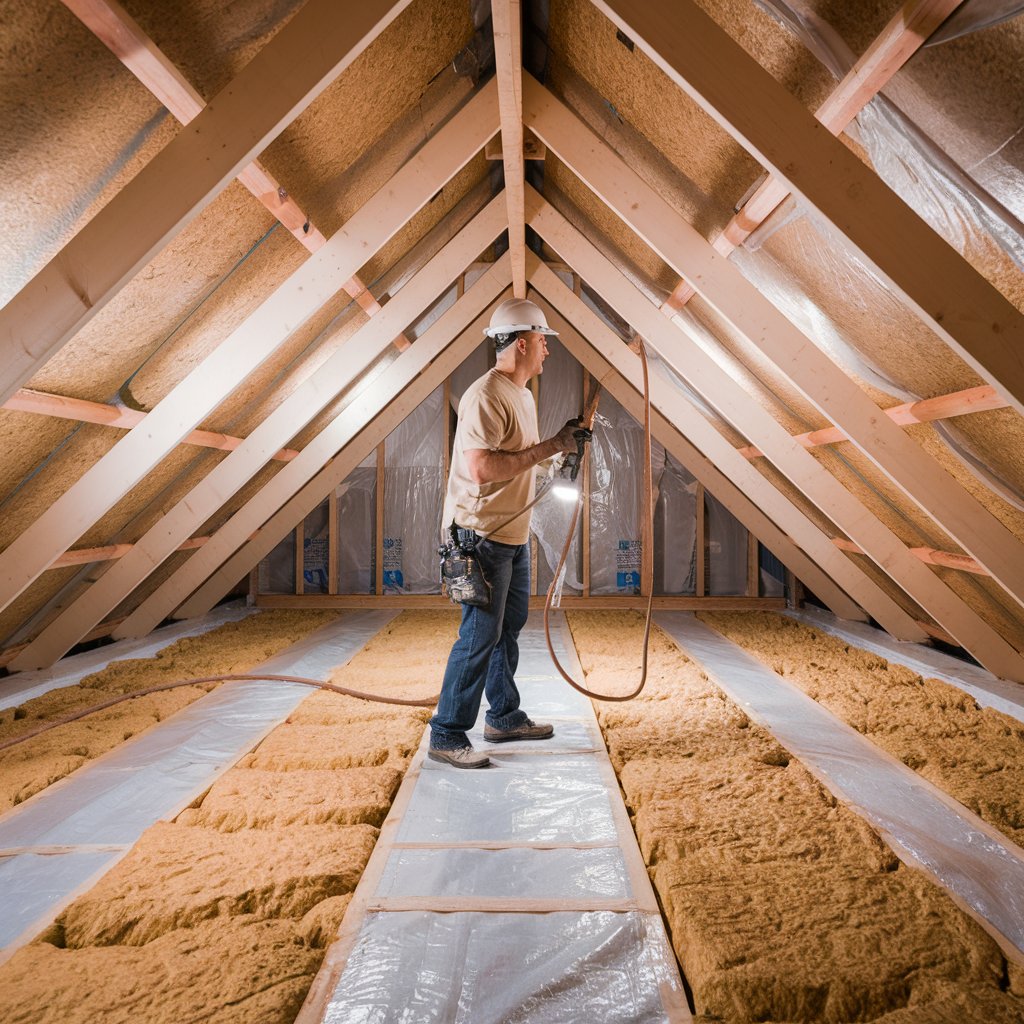
Managing indoor temperatures can be a challenge, especially in regions with extreme weather fluctuations. One of the most effective methods to maintain a comfortable home environment is attic encapsulation. Attic encapsulation is the process of sealing your attic space using advanced insulation techniques, creating an airtight barrier between the outside elements and the inside of your home. It not only improves energy efficiency but also plays a critical role in regulating indoor temperatures. In this article, we’ll explore the benefits of attic encapsulation and how it helps control indoor temperatures.
What Is Attic Encapsulation?
Attic encapsulation involves sealing all gaps, cracks, and open areas in your attic, effectively transforming it into a conditioned space. This process typically includes the installation of foam insulation along the walls, roof deck, and floor of the attic, blocking the transfer of heat or cold air. By encapsulating the attic, homeowners can prevent temperature fluctuations that lead to uncomfortable living conditions and high energy bills.
How Does Attic Encapsulation Affect Indoor Temperatures?
The key function of attic encapsulation is to stabilize the temperature inside your home. Without proper insulation, the attic becomes a conduit for heat during summer and cold air during winter. This can cause your HVAC system to work harder, leading to inconsistent indoor temperatures and uneven heating or cooling throughout your house. Encapsulation helps mitigate these issues by creating a thermal barrier, ensuring that outside air doesn’t infiltrate your home, while keeping the temperature inside steady and manageable.
Reducing Heat Gain in the Summer
During the summer months, your attic can become extremely hot, sometimes reaching temperatures upwards of 150°F (65°C). This excessive heat can penetrate your living spaces and make it harder to cool your home. Attic encapsulation helps reduce heat gain by reflecting and blocking the external heat, preventing it from seeping into your living areas. This means your air conditioning system won’t have to work as hard to keep the house cool, leading to a more comfortable indoor climate.
Minimizing Heat Loss in the Winter
In the winter, a poorly insulated attic can allow warm air from inside your home to escape. This not only results in higher heating costs but also creates cold spots in your home, especially in rooms located beneath the attic. By encapsulating the attic, you trap the warm air inside your home, minimizing heat loss and maintaining consistent indoor temperatures, even during the coldest months.
Epic Spray Foam and Its Role in Attic Encapsulation
When it comes to attic encapsulation, the quality of insulation materials plays a vital role in its effectiveness. Epic Spray Foam offers high-performance spray foam insulation that is ideal for attic encapsulation projects. Spray foam not only seals gaps and cracks but also provides superior thermal resistance, ensuring that your home stays insulated from extreme temperatures. By choosing Epic Spray Foam for your attic encapsulation, you’re investing in long-term energy savings, increased indoor comfort, and enhanced air quality, all of which contribute to better temperature control inside your home.
The Role of Air Sealing in Temperature Control
Air sealing is a critical component of attic encapsulation. Any gaps, cracks, or holes in the attic allow for unwanted air exchange between the inside and outside of your home. Air leakage leads to drafts and inconsistent temperatures. Sealing these gaps during the encapsulation process helps create an airtight barrier that keeps outdoor temperatures from impacting your indoor environment. The result is a home that stays warm in winter and cool in summer, without the need for constant HVAC adjustments.
Improved HVAC Efficiency with Attic Encapsulation
When your home’s attic is properly encapsulated, your HVAC system doesn’t have to work as hard to maintain your desired temperature. Since encapsulation prevents outdoor air from entering and indoor air from escaping, your heating and cooling system can operate more efficiently. This improved efficiency not only helps extend the life of your HVAC unit but also leads to lower energy consumption and reduced utility bills.
Lowering Energy Bills Through Insulation
One of the most immediate benefits homeowners notice after attic encapsulation is a significant reduction in their energy bills. By stabilizing indoor temperatures and reducing the strain on your HVAC system, encapsulation helps lower your overall energy usage. Over time, the savings on heating and cooling costs can offset the initial investment in attic encapsulation, making it a smart financial decision in the long run.
Preventing Moisture and Mold Build-Up
Beyond controlling indoor temperatures, attic encapsulation also helps in moisture management. When temperature differences between the attic and the rest of the home lead to condensation, it creates a conducive environment for mold growth. Encapsulation helps regulate temperature and humidity levels in the attic, preventing moisture build-up and the potential for mold infestations, which can have serious health implications.
Increased Comfort Throughout the Home
Attic encapsulation ensures that all areas of your home experience consistent and comfortable temperatures. You’ll no longer have to deal with rooms that feel too hot in the summer or too cold in the winter. The overall climate inside the house becomes more stable, improving your comfort level and enhancing the quality of life for everyone in the home.
Reducing Indoor Allergens and Pollutants
Sealing the attic space also helps in reducing the amount of outdoor allergens and pollutants that enter your home. Dust, pollen, and airborne particles can easily find their way through gaps and cracks in an unsealed attic. Encapsulation creates a protective barrier that prevents these contaminants from infiltrating your living spaces, leading to cleaner indoor air and improved health for you and your family.
The Impact of Attic Encapsulation on Home Value
Investing in attic encapsulation not only benefits your indoor comfort but also adds to the value of your home. Potential buyers often look for homes with energy-efficient features, and encapsulated attics are a desirable selling point. By improving insulation, reducing energy consumption, and offering a healthier living environment, encapsulation can enhance your home’s market appeal and resale value.
Protecting Roof and Structural Integrity
An often-overlooked benefit of attic encapsulation is its ability to protect your roof and home’s structural integrity. When temperature variations cause condensation in an unsealed attic, the moisture can lead to wood rot, compromised insulation, and even damage to the roof structure. Encapsulation minimizes these temperature swings, preventing moisture from forming and extending the lifespan of your roof and home’s supporting structure.
Reducing HVAC Maintenance Costs
Since attic encapsulation makes your HVAC system more efficient, it also helps reduce the frequency of maintenance and repairs. By stabilizing temperatures and minimizing the workload on your heating and cooling equipment, encapsulation lowers the wear and tear on your HVAC unit, resulting in fewer breakdowns and lower maintenance costs over time.
The Role of Ventilation in Encapsulation
Although attic encapsulation aims to seal the attic, proper ventilation is still necessary to maintain a healthy and balanced indoor environment. A well-encapsulated attic should include ventilation solutions that help circulate air, preventing the buildup of humidity and ensuring optimal temperature control without compromising air quality.
Attic Encapsulation vs. Traditional Insulation
Traditional insulation, such as fiberglass, may provide some thermal resistance, but it doesn’t offer the complete sealing benefits of attic encapsulation. Fiberglass insulation often allows air to flow through gaps and doesn’t create the airtight barrier needed to prevent temperature fluctuations. In contrast, encapsulation with spray foam insulation provides a more comprehensive solution that addresses both insulation and air sealing, making it far more effective in controlling indoor temperatures.
Long-Term Savings and Return on Investment
While attic encapsulation requires an upfront investment, the long-term savings make it a worthwhile expenditure. From lower energy bills to reduced maintenance costs and a longer-lasting HVAC system, the financial benefits of encapsulation are significant. Homeowners can expect to see a return on their investment within a few years, making it a smart choice for those looking to improve their home’s energy efficiency and indoor comfort.
Ensuring Proper Installation for Maximum Results
To fully enjoy the benefits of attic encapsulation, it’s crucial to have the process done by a qualified professional. Proper installation ensures that all gaps and cracks are sealed, and that the right materials are used for your specific climate and home structure. This ensures that you get the maximum benefit in terms of temperature control, energy efficiency, and long-term durability.
FAQs
Q1: What is attic encapsulation, and how does it help control indoor temperatures?
A1: Attic encapsulation is the process of sealing your attic with insulation and air sealing techniques to create an airtight space. It helps control indoor temperatures by blocking the flow of heat in the summer and cold air in the winter, ensuring a consistent temperature throughout your home. This reduces the strain on your HVAC system and improves overall energy efficiency.
Q2: How does attic encapsulation reduce energy bills?
A2: By creating an airtight barrier, attic encapsulation prevents outdoor air from entering your home and reduces the amount of energy needed to heat or cool it. This improves the efficiency of your HVAC system, leading to lower energy consumption and, ultimately, reduced energy bills.
Q3: Can attic encapsulation prevent mold growth?
A3: Yes, attic encapsulation can help prevent mold growth. By sealing the attic and regulating temperature and humidity levels, encapsulation reduces condensation, which is often the cause of mold. Keeping moisture out of your attic creates a healthier environment and prevents mold-related issues.
Q4: How does spray foam insulation improve the effectiveness of attic encapsulation?
A4: Spray foam insulation, such as that provided by Epic Spray Foam, is highly effective because it expands to fill gaps and cracks, creating a seamless air barrier. It provides superior insulation and air sealing, ensuring that your attic stays insulated from external temperature changes.
Q5: What are the long-term benefits of attic encapsulation for my home’s value?
A5: Attic encapsulation increases your home’s energy efficiency, reduces utility bills, and adds to the overall comfort of your living space. These benefits are attractive to potential buyers and can increase the resale value of your home, making it a worthwhile investment in the long run.
Q6: Will attic encapsulation make my HVAC system last longer?
A6: Yes, because encapsulation reduces the workload on your HVAC system by stabilizing indoor temperatures. This means your system doesn’t have to run as frequently or as hard, leading to less wear and tear and a longer lifespan for the equipment.
Q7: Can I encapsulate my attic without professional help?
A7: While some DIY methods exist, attic encapsulation is best left to professionals. Proper installation requires expertise in air sealing and insulation to ensure maximum efficiency and effectiveness. Incorrect encapsulation could lead to ventilation issues and reduce the benefits of the process.
Q8: Does attic encapsulation work in both hot and cold climates?
A8: Yes, attic encapsulation is beneficial in both hot and cold climates. In warm climates, it prevents heat from entering your home, and in cold climates, it prevents warm air from escaping. This leads to better temperature control and energy savings year-round.
Q9: How does attic encapsulation impact the structural integrity of my home?
A9: Encapsulation helps protect the structural integrity of your home by preventing moisture build-up that can cause wood rot or damage to insulation and roofing materials. It stabilizes temperature and humidity levels in the attic, which helps preserve the longevity of your roof and attic structure.
Q10: What are the upfront costs of attic encapsulation, and when can I expect to see savings?
A10: The cost of attic encapsulation varies depending on the size of your attic and the materials used. While it can be a significant upfront investment, many homeowners see a return on their investment through lower energy bills within a few years. The long-term savings on heating, cooling, and maintenance costs often outweigh the initial expense.
 Discover Daily
Leave a comment